

Rafter reference · conventional slope
4/12 Roof Pitch
Everything a framer or DIYer needs to lay out rafters on a 4/12 pitch: angle, slope percent, rafter length per foot of run, and the Speed® Square method Albert Swanson invented for it in 1925.
Angle
18.43°
Slope
33.33%
Rafter / 12″ run
12.649″
Multiplier
1.0541
What a 4/12 pitch looks like on the jobsite
4/12 is one of the most common residential pitches in the US. Gentle enough to walk, steep enough to shed water cleanly.
Common use cases:
- Ranch homes
- Mid-century modern
- Garage roofs
Rafter length by run
Multiply the common rafter run (half the building width) by 1.0541. That is the rafter length before you add any tail overhang. The table below shows a few common runs:
| Run (ft) | Rafter length (ft) |
|---|---|
| 8 | 8.43 |
| 10 | 10.54 |
| 12 | 12.65 |
| 14 | 14.76 |
| 16 | 16.87 |
| 18 | 18.97 |
| 20 | 21.08 |
Add rafter tail length (typically 12 to 24 inches) if you want the full ridge-to-tail dimension.
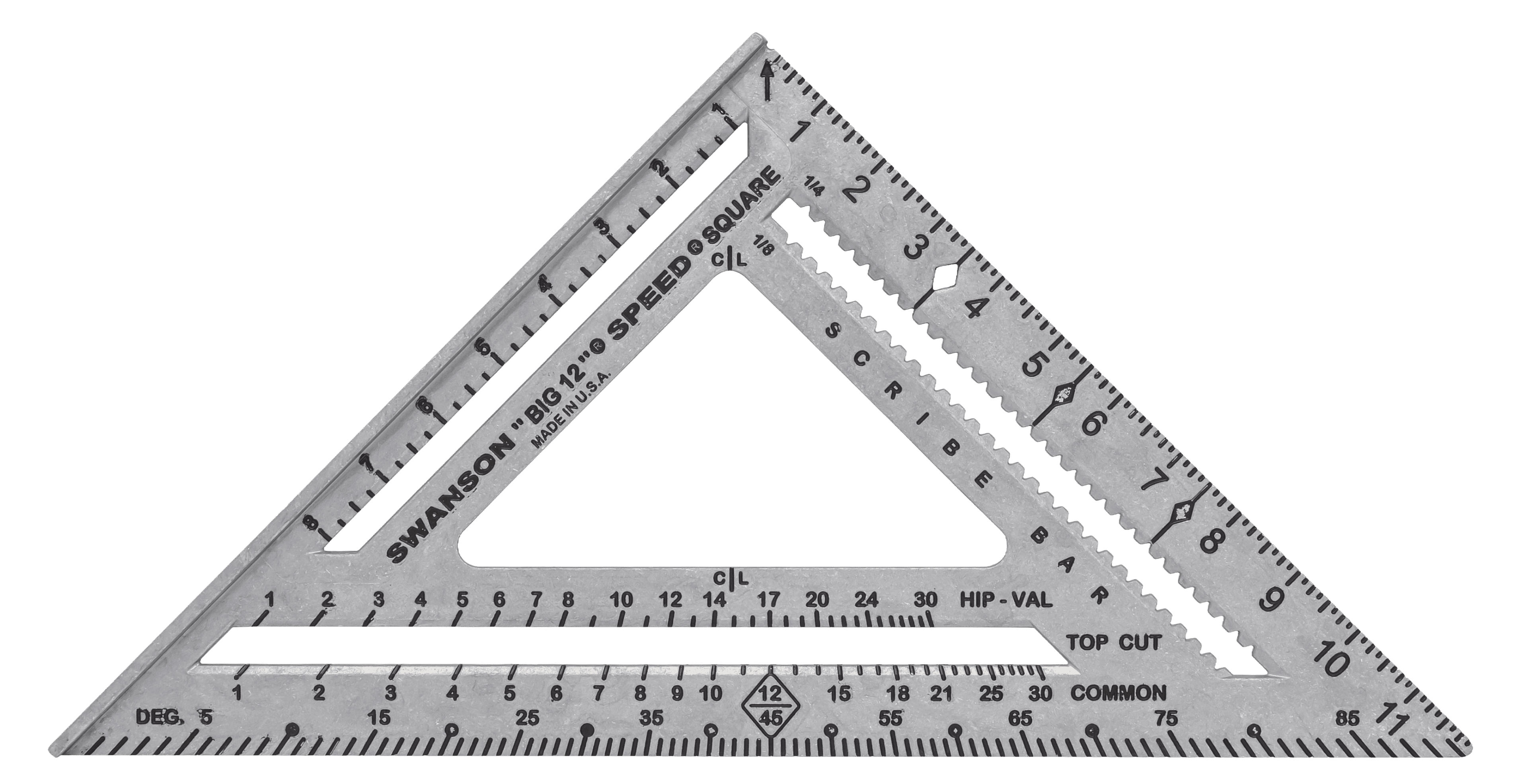
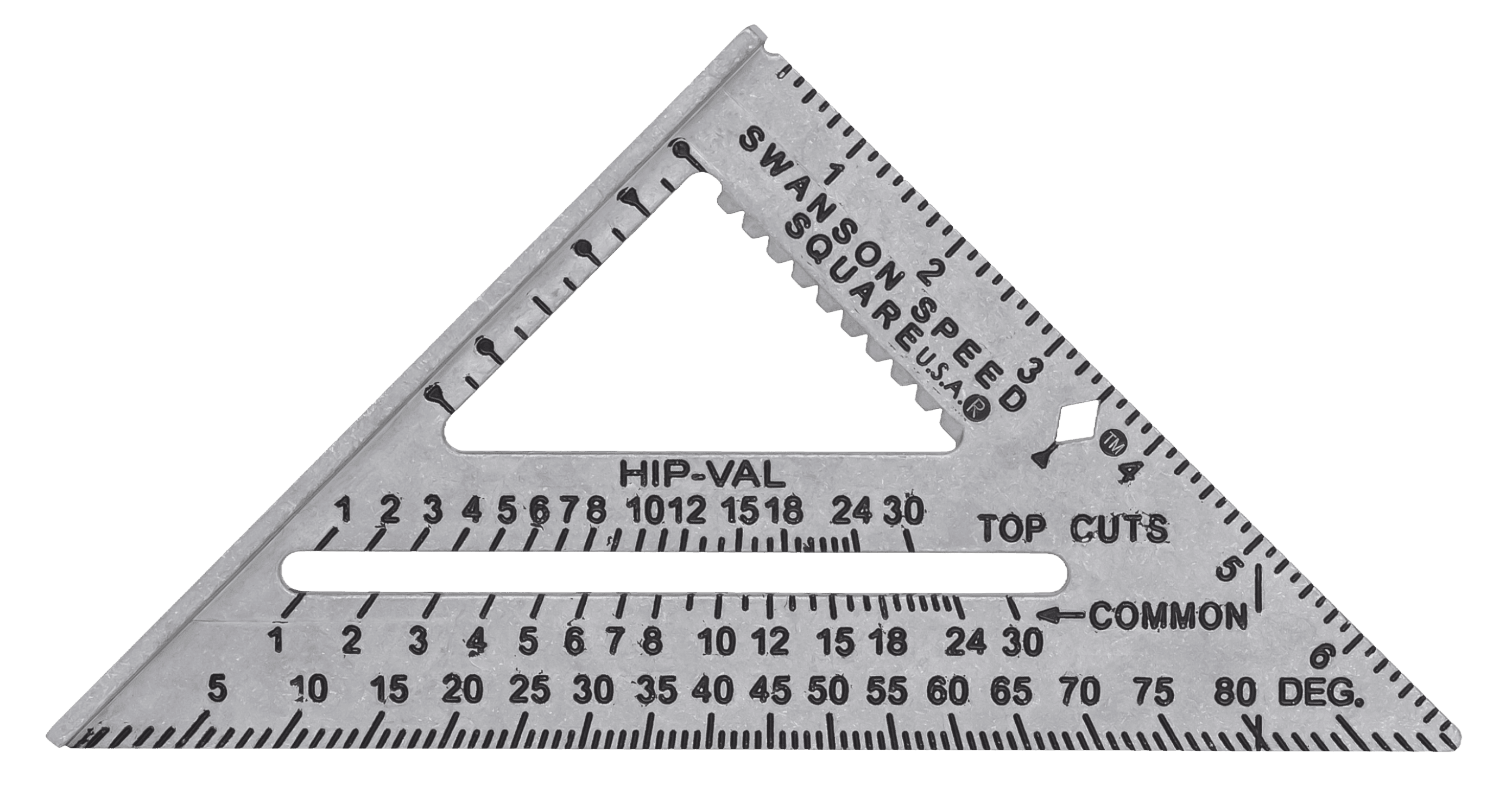
Laying it out with a Speed® Square
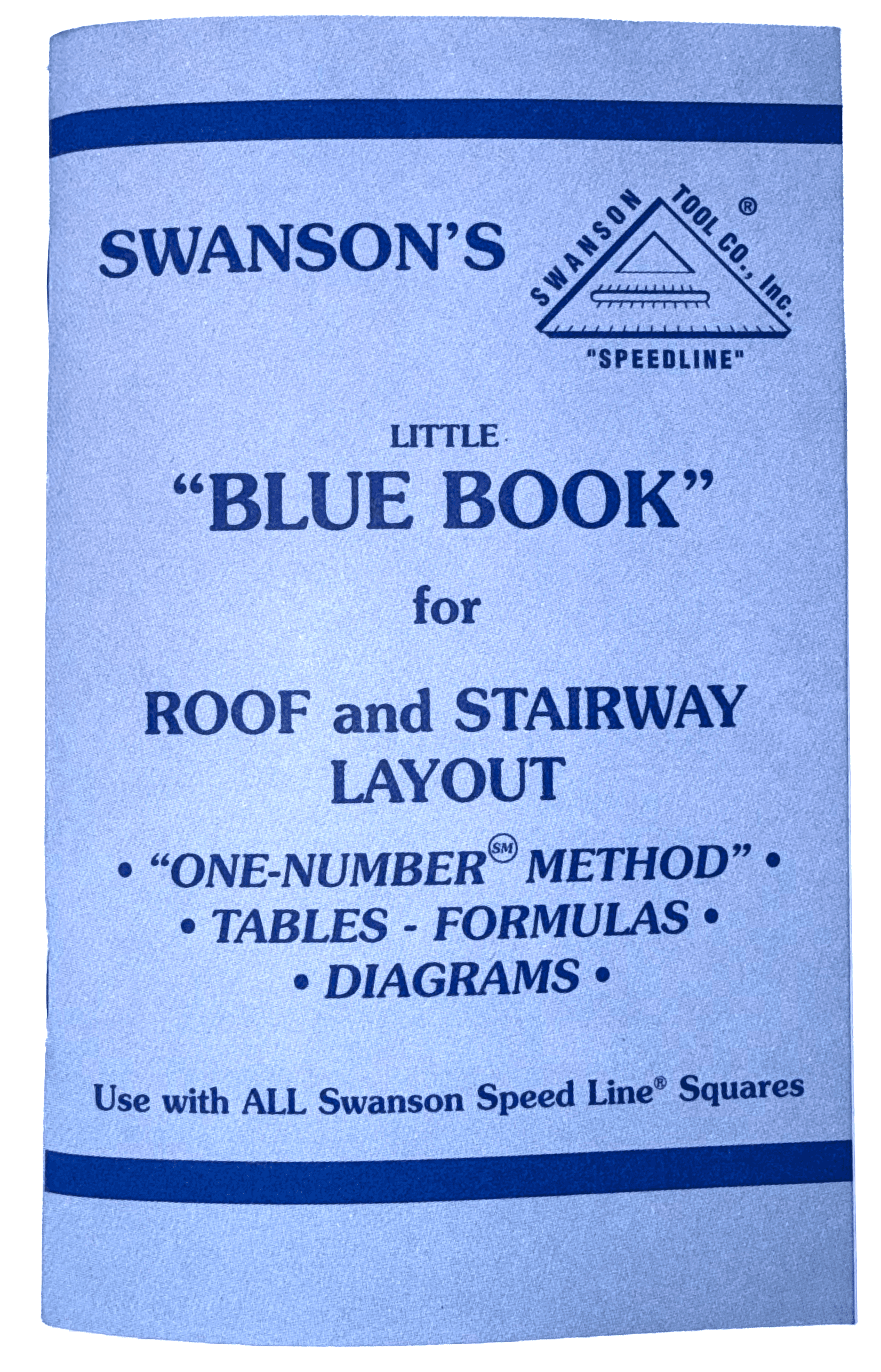
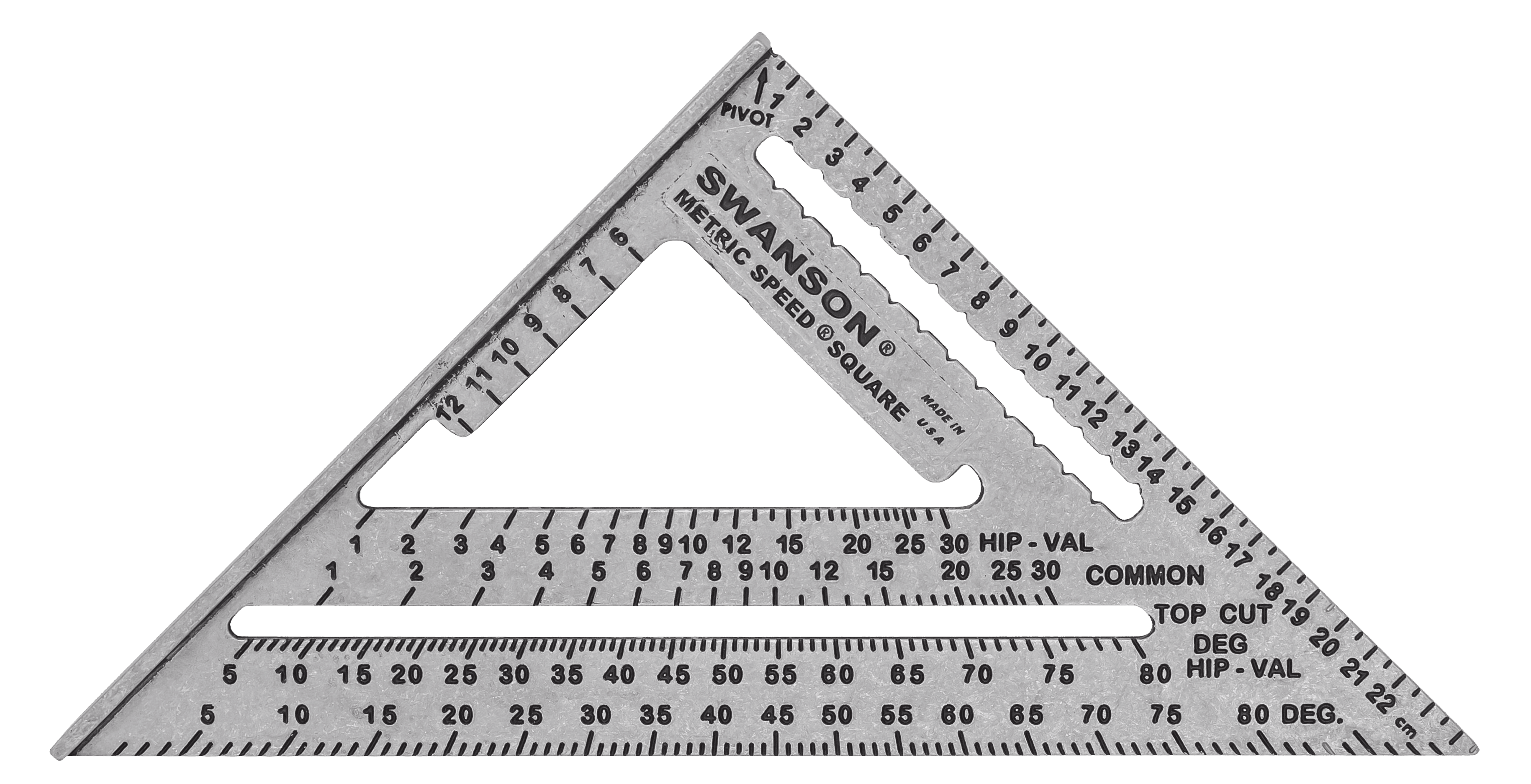
This is the One Number® method from the Blue Book of Rafter Lengths, the pocket reference Albert Swanson packaged with the first Speed® Square in 1925.
- 1Pivot the square on the top edge of the rafter. Find 4 on the common scale and align it with the top edge. Scribe a plumb line, that is the ridge cut.
- 2From the long point of the plumb, measure run × 1.0541 along the top edge to locate the seat cut.
- 3At the seat mark, scribe a plumb at the same 4 common reference, then a level line equal to the top-plate width. Cut both ends and test-fit.
Tools for the Technique
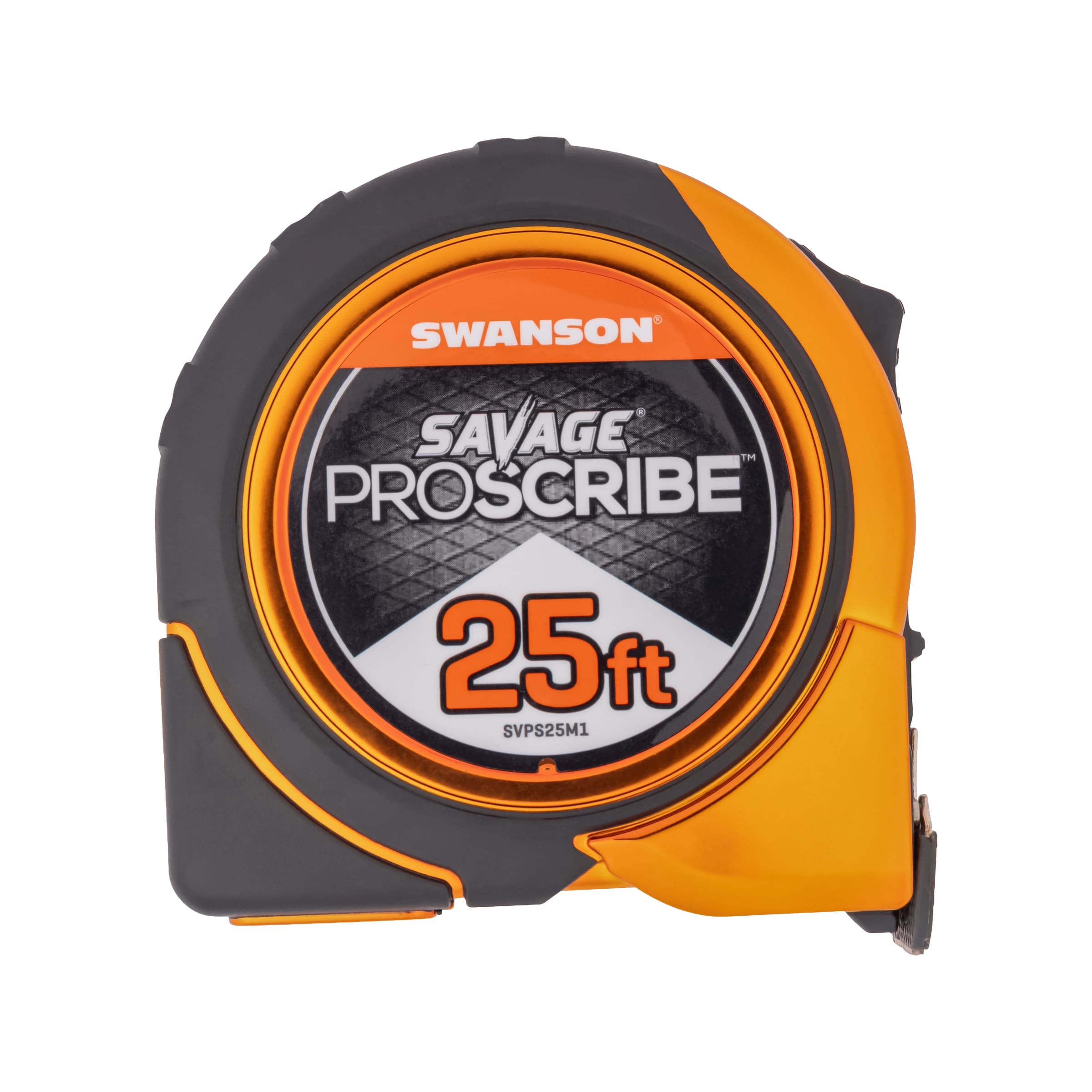
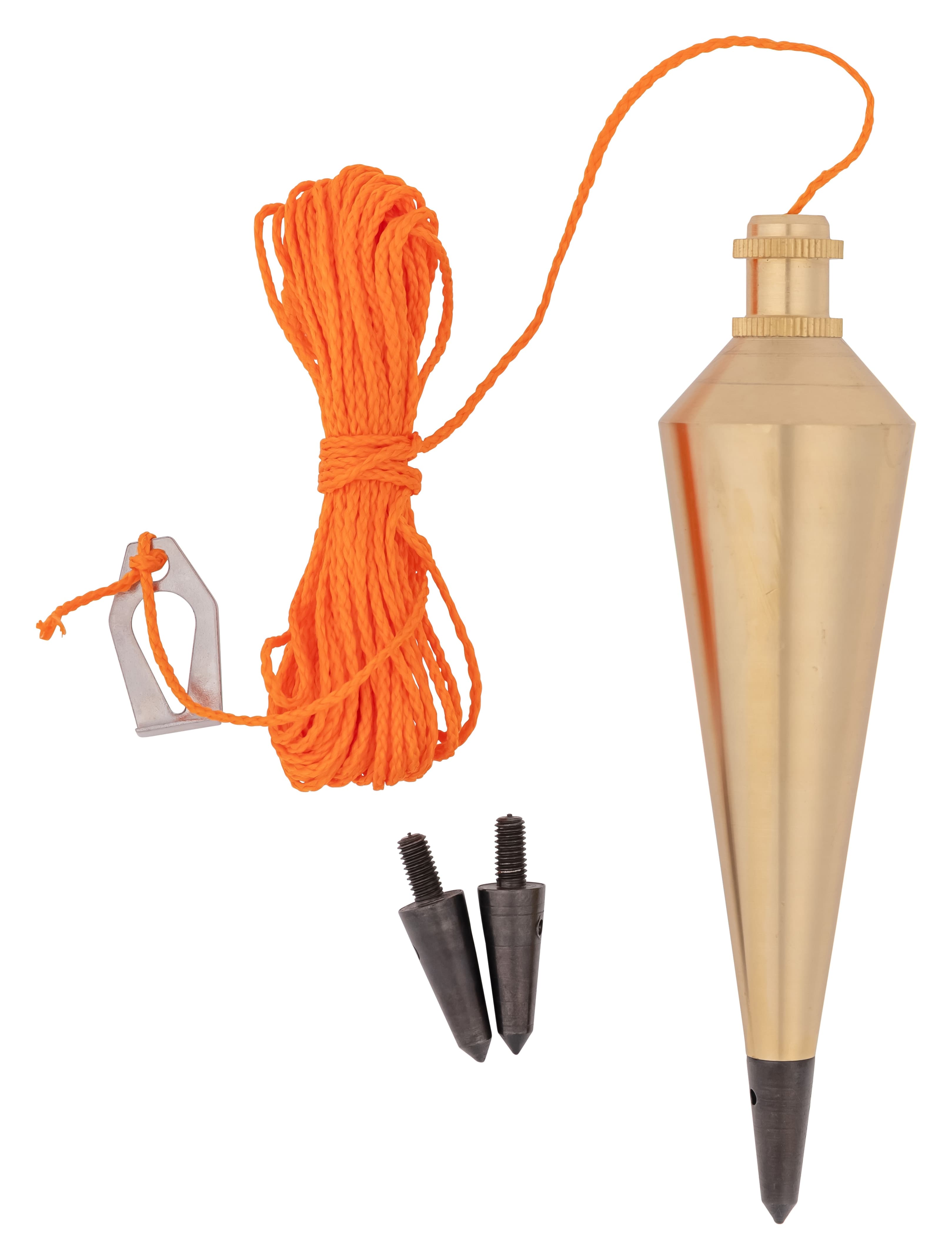
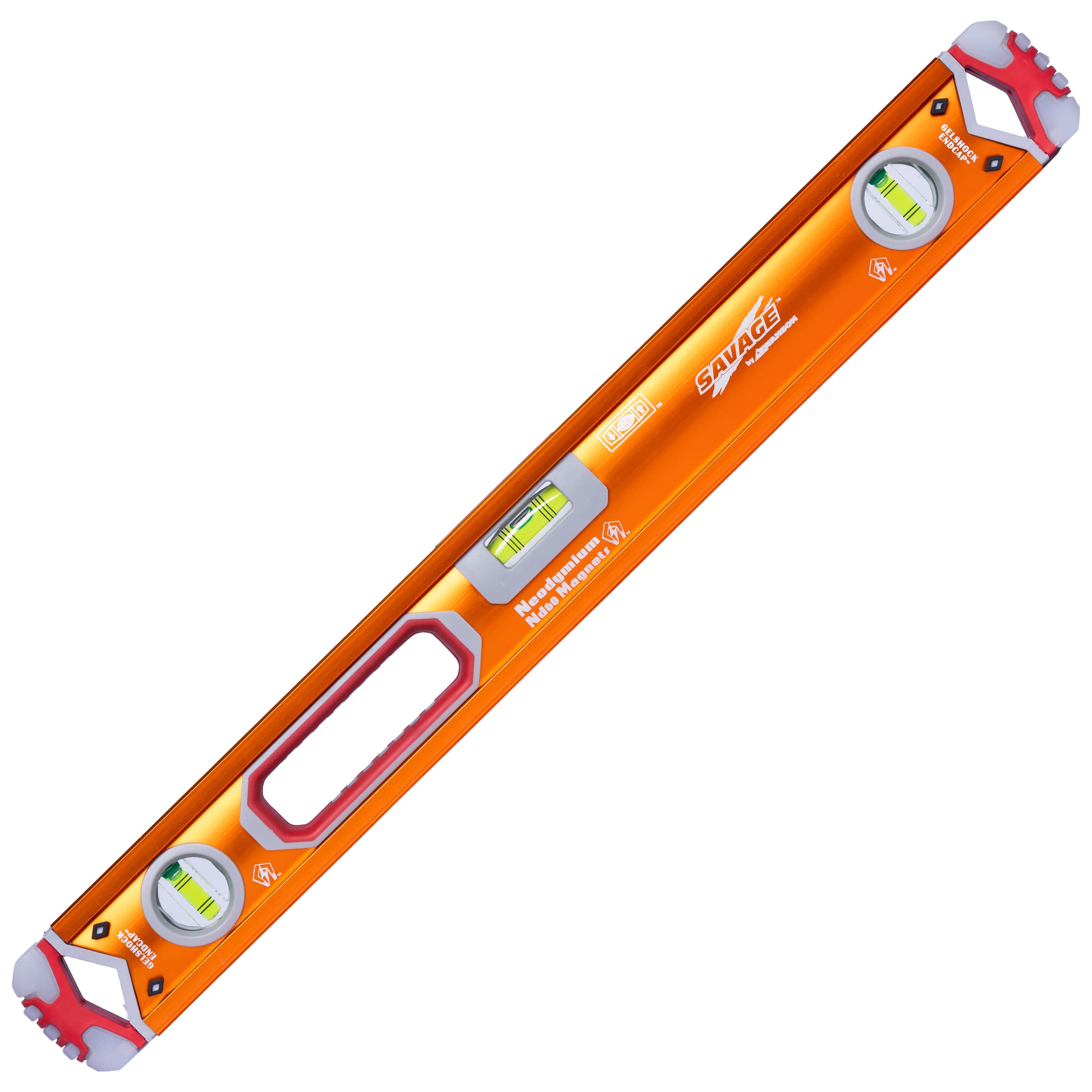
The tools for this technique
Every SKU below is what a Swanson pro would reach for on this job. Made in Frankfort, Illinois, since 1925.