Inventors of the Speed® Square
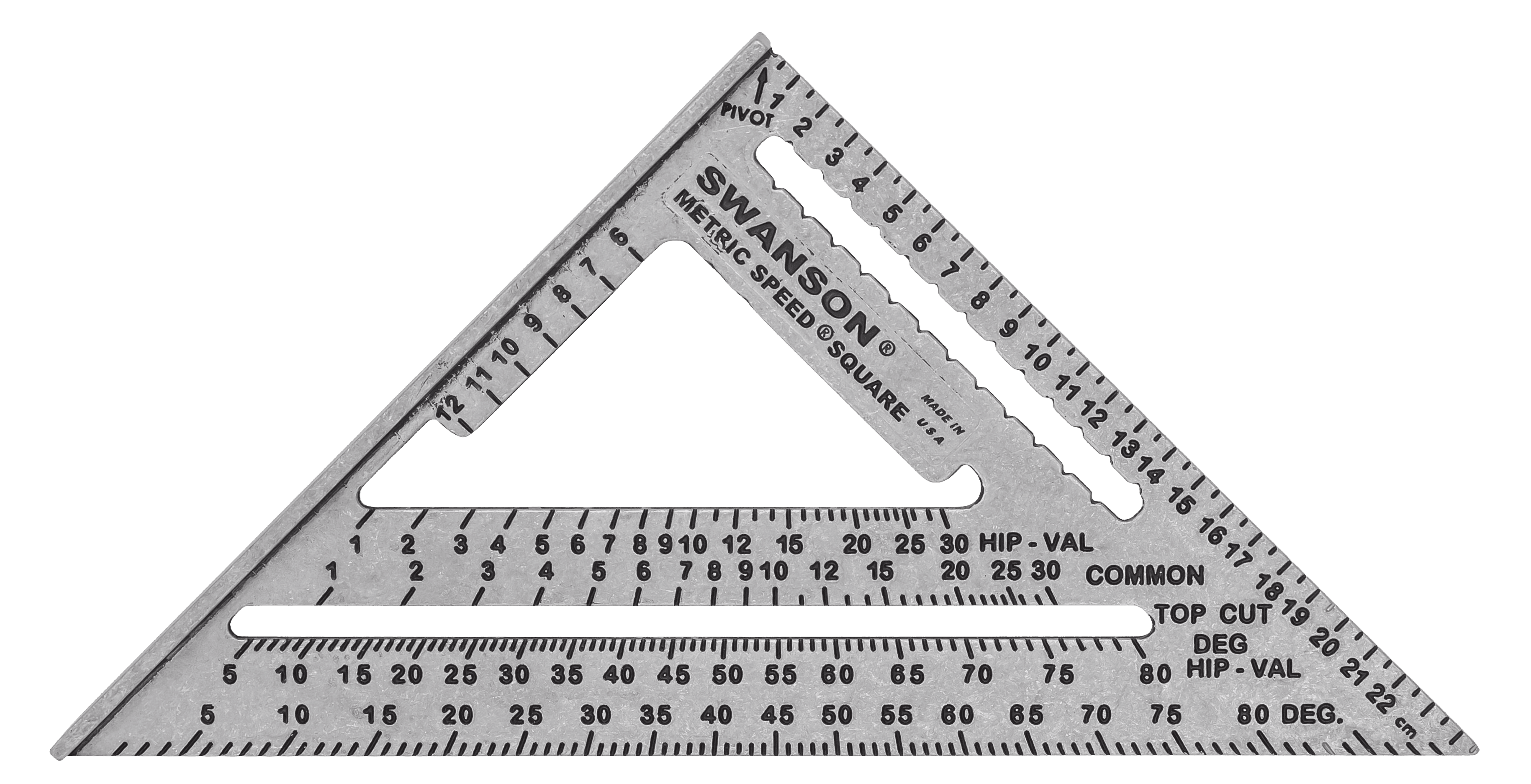
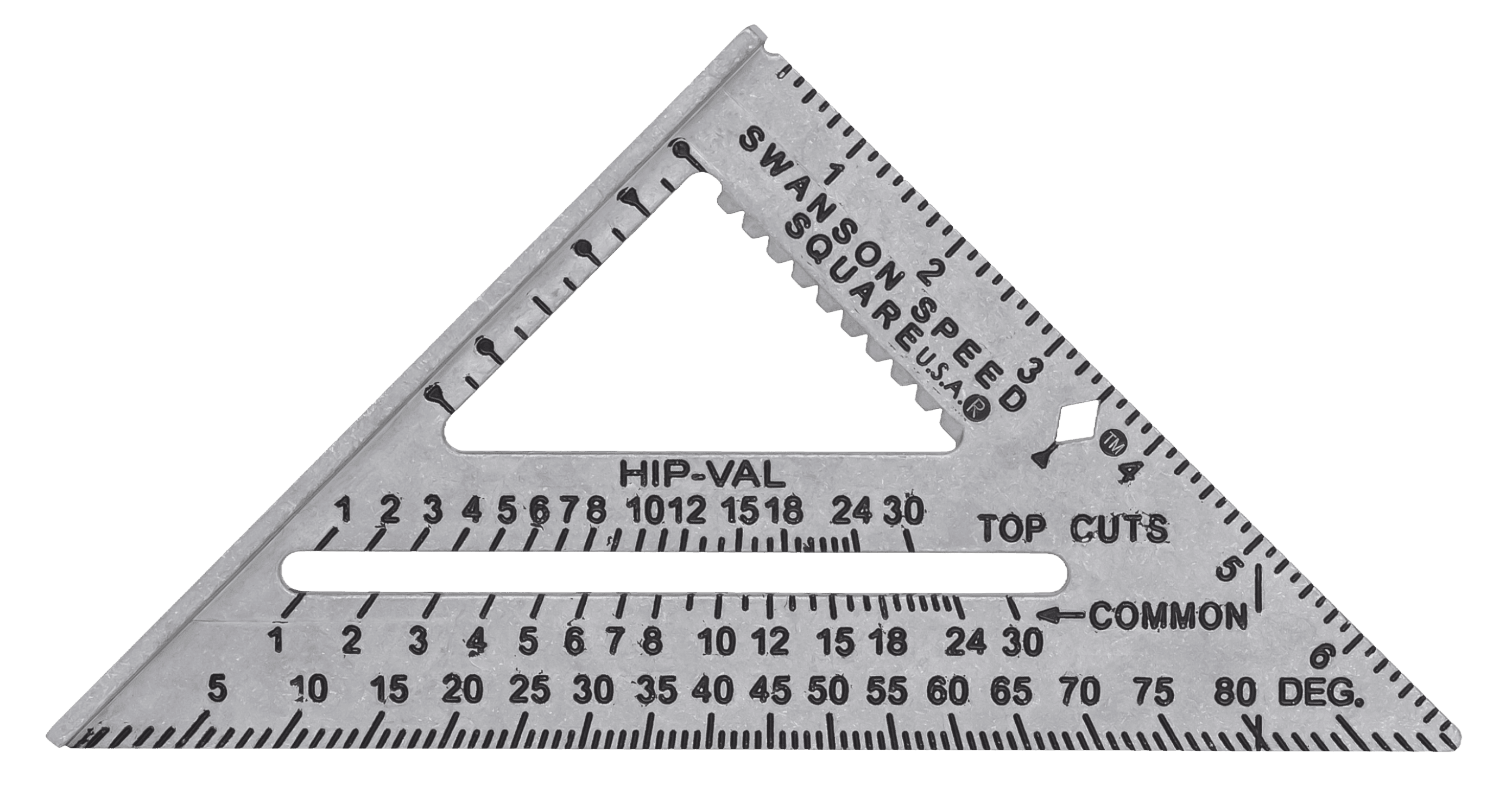
One hundred years on, every Speed® Square is CNC machined, finished, and shipped from our USA plant. Same alloy. Same Diamond™ cutout. Same design Albert Swanson patented in 1925.
The Invention
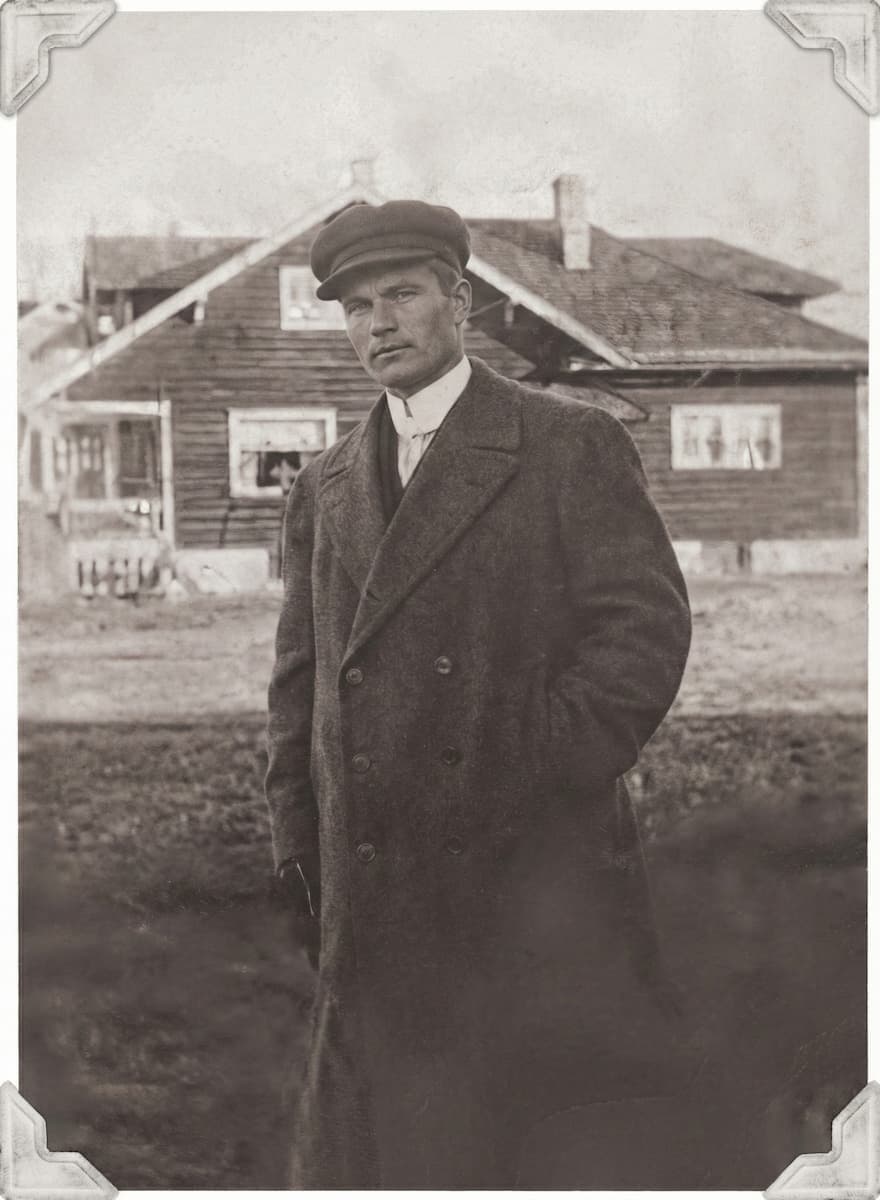
Albert J. Swanson was a Swedish-American carpenter who came to Chicago from Iowa in 1920. After reworking his invention numerous times, by 1925 he had perfected the first version of a triangular aluminum layout tool that combined a try square, miter square, saw guide, line scriber, and protractor.
The original square was a stamped aluminum plate with a riveted base, the first Speed® Square. By pivoting the square at its base to the markings, a carpenter could quickly determine the angle for every cut on the roof. Albert called the technique the One Number® method and started hand-making squares for the other carpenters on his crew.
In 1930, the world’s second largest retailer, the Montgomery Ward Company of Chicago, Illinois, licensed the tool for the catalog under its Lakeside brand. It was the Speed® Square’s first appearance in interstate commerce, and the tool’s demand grew nationally.
Albert incorporated Swanson Tool Company in 1945, forecasting a post-war housing boom supported by the GI Bill. Word spread quickly to the point that Albert’s Speed® Square was asked for by name.
A century later, we still make the Speed® Square in the USA. The design has been refined over the years, and our newest innovation, the Pro Speed® Square, is the standard of the industry. The tool a carpenter carries in their bag today traces back to the original Albert made for his fellow carpenters who helped build America.
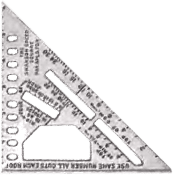
The Original, 1925
Stamped along the fence of the original: “USE SAME NUMBER ALL CUTS THIS ROOF.” That single instruction is the One Number® Method , the insight that made the Speed® Square replace three tools with one. Read one number off the plan, use it for every rafter on the job. The geometry hasn’t changed in a hundred years.
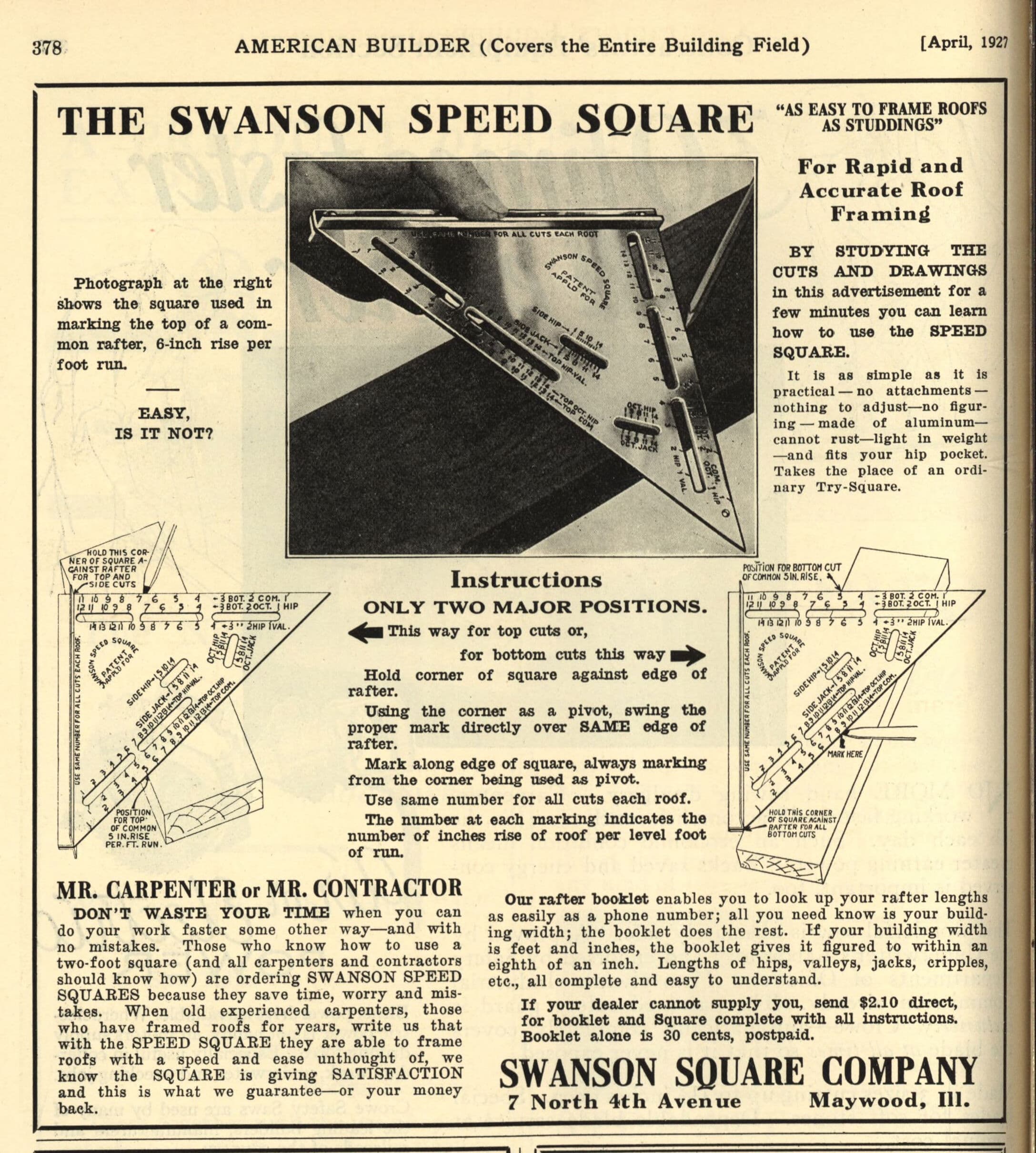
In Print, 1927
The Timeline
1920
A Swedish-American carpenter named Albert J. Swanson moves from Iowa to Chicago and joins the crew finishing the Drake Hotel on North Michigan Avenue. The city is in the middle of its post-war building boom, and Swanson is laying out rafters on the South Side by night.
1925
After three years of refinement, Swanson files the first die of the triangular layout tool that combines a try square, miter square, saw guide, line scriber, and protractor into a single piece. He calls the technique the One Number® method. Fellow carpenters start asking for their own.
1930
The Montgomery Ward Company of Chicago, the world’s second largest retailer at the time, licenses the tool for its catalog under the Lakeside brand. It is the Speed® Square’s first appearance in interstate commerce, and demand grows nationally. Ownership returns to Albert shortly after.
1945
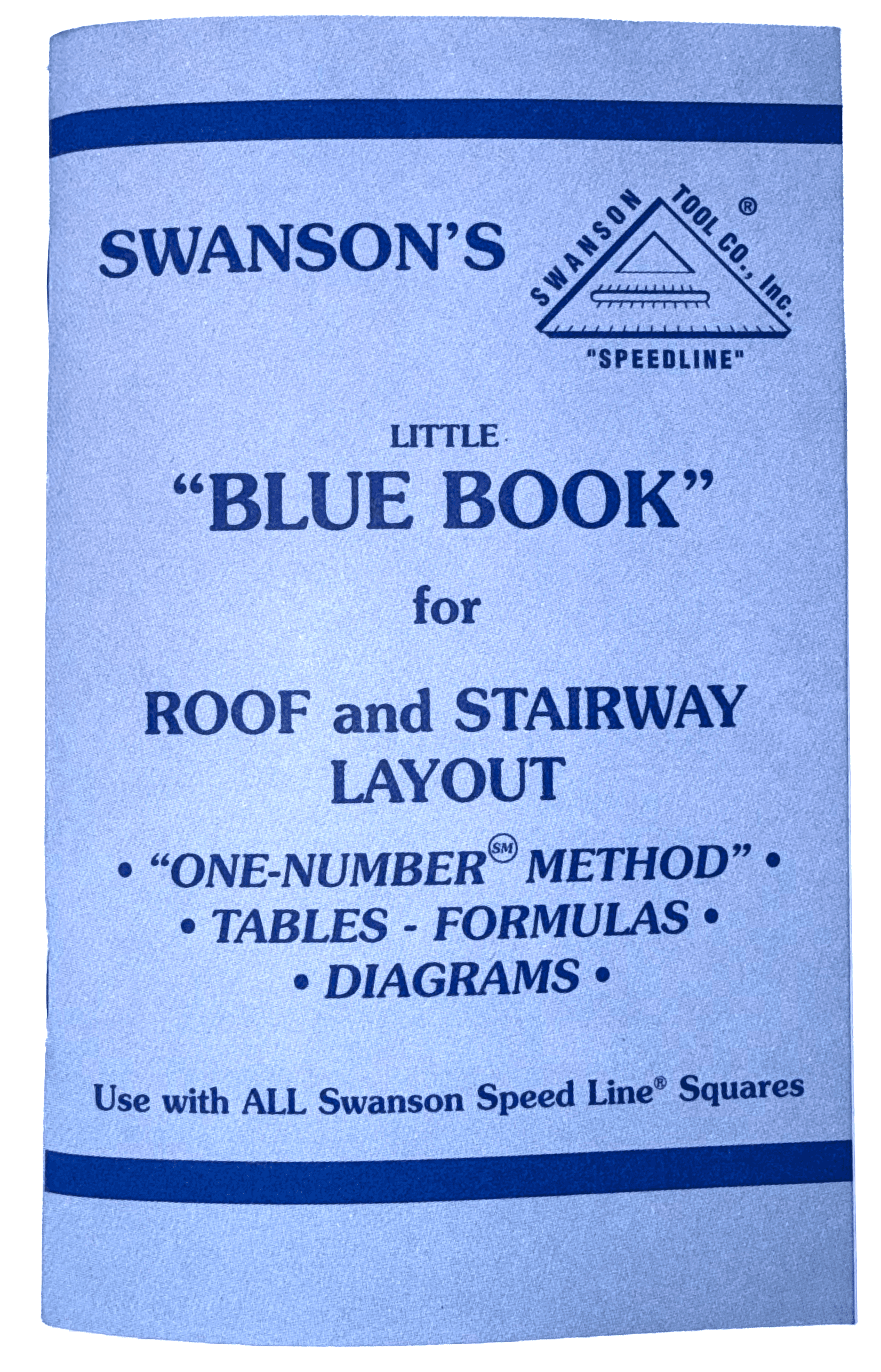
Forecasting a post-war housing boom supported by the GI Bill, Albert incorporates Swanson Tool Company to manufacture and distribute the Speed® Square through the trade. Word spreads quickly to the point that Albert’s Speed® Square is asked for by name. The Blue Book of Rafter Lengths ships alongside it.
1975
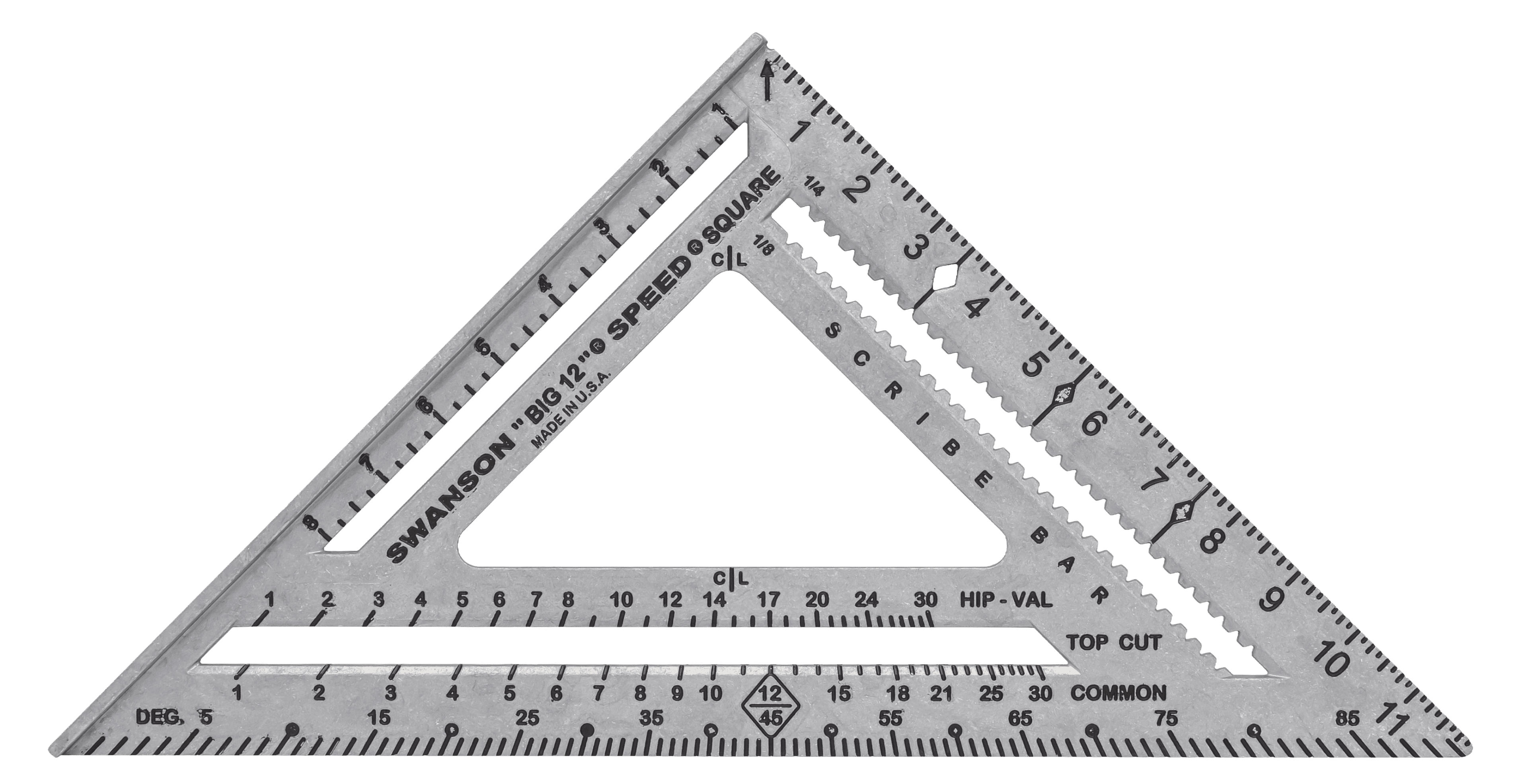
Albert’s son Ronald C. Swanson, now running the company, designs and patents the scribe bar along the long edge of the Big 12® Speed® Square. The bar mills out 1/8-inch increments for precise rafter and stair-stringer scribing that the original triangle alone couldn’t do.
1989
Don Allemand, the sales manager at the time, buys Swanson Tool Company.
1992
Don’s team adds the 3½-inch Diamond™ cutout along the Speed® Square’s centerline. Originally a faster pivot for seat-cut scribing, the cutout quickly becomes the tool’s visual signature. The redesigned Speed® Square is the #1 selling tool in Lowe’s hand-tool department for five consecutive years.
2003
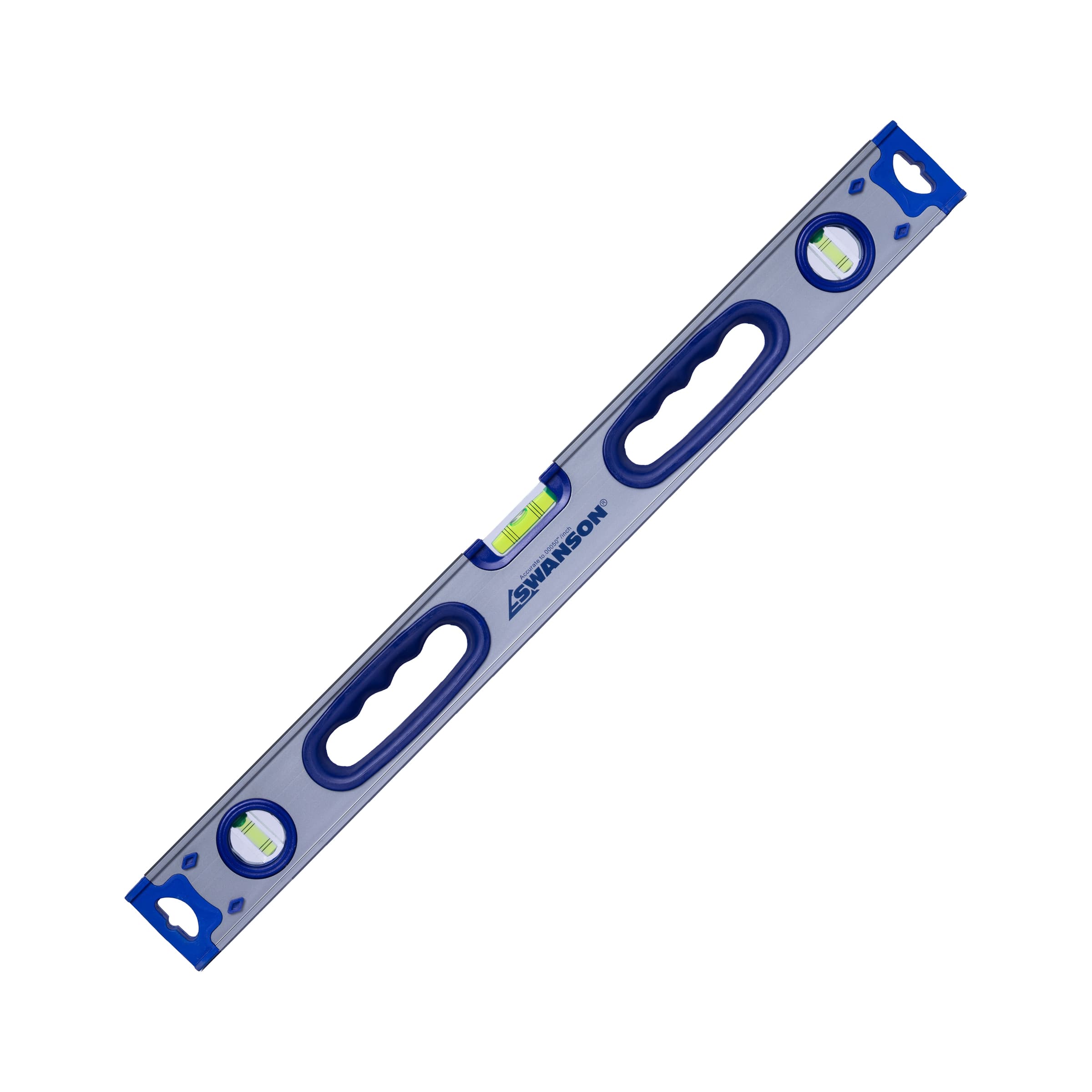
Don’s sons Jim and Craig buy the company from their father and begin the next chapter. Within the year they launch Swanson’s first full line of levels, I-beam, box-beam, and torpedo, taking the company from a layout-tool maker to a layout-and-leveling maker.
2010
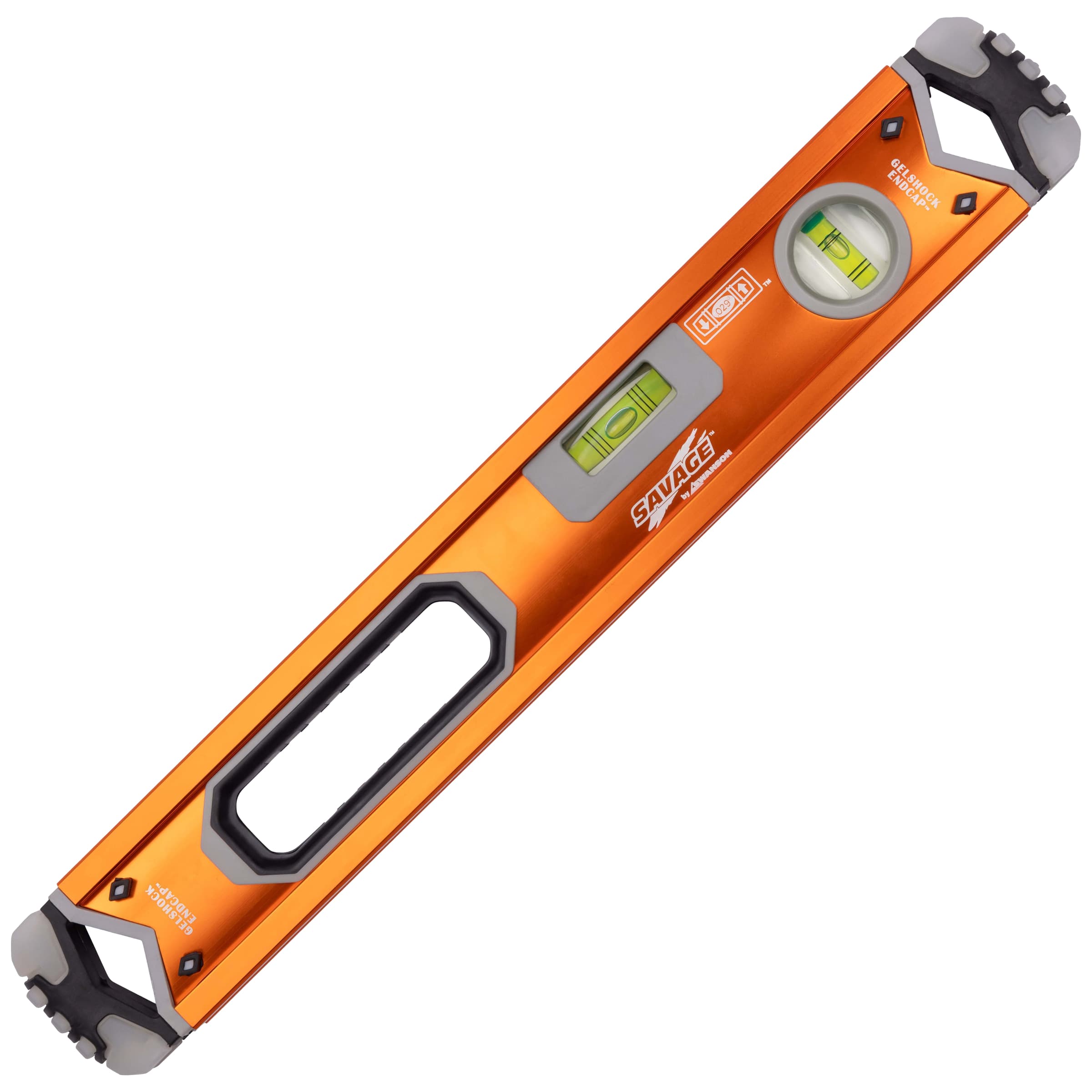
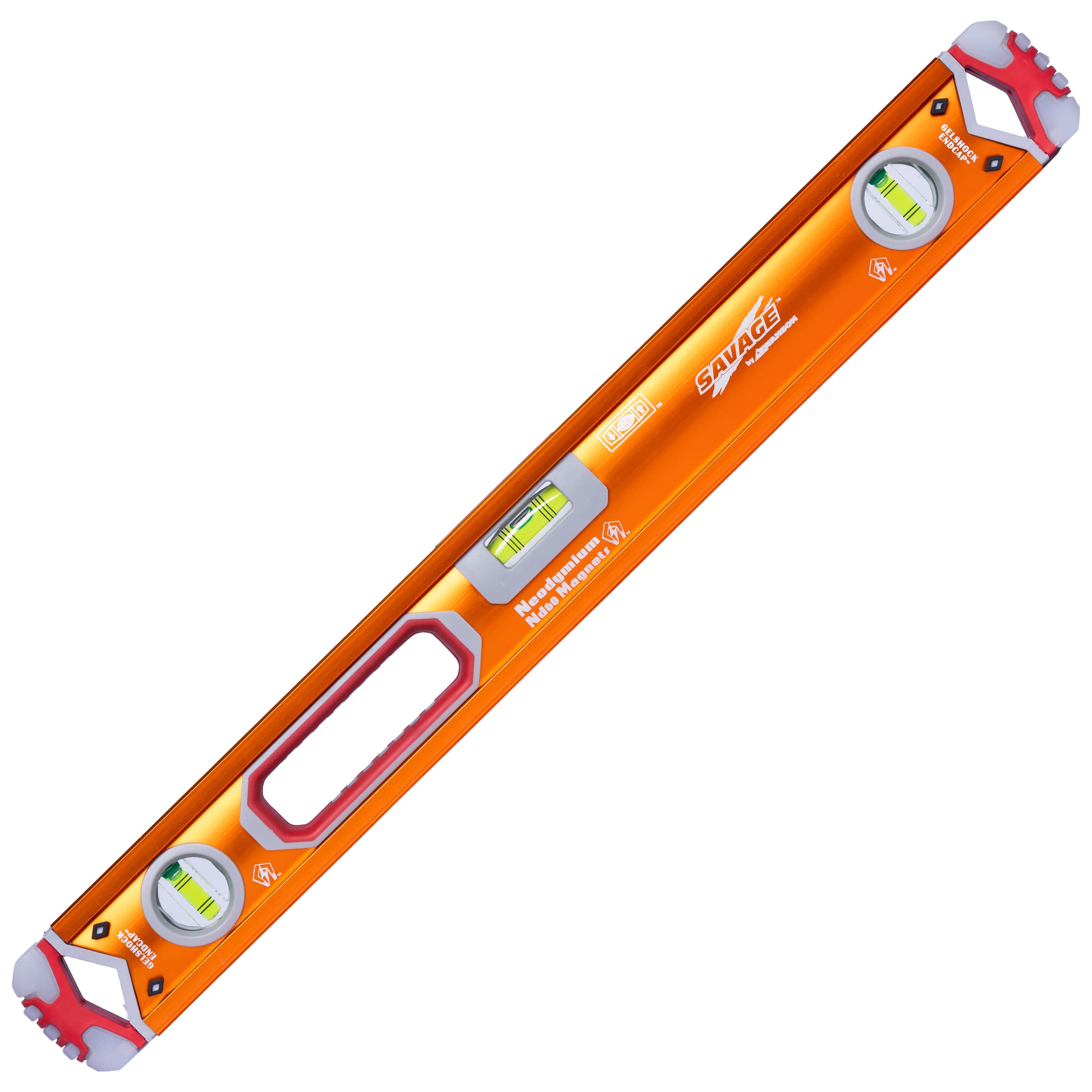
Jim and Craig launch Savage® as Swanson’s pro-tier sub-brand, named for the Savage® family, the Allemand brothers’ mother’s maiden name. The line opens with solid-aluminum alloy levels with GelShock™ end caps and BrightView® vials, then grows into torpedoes, box beams, and straight edges.
2014
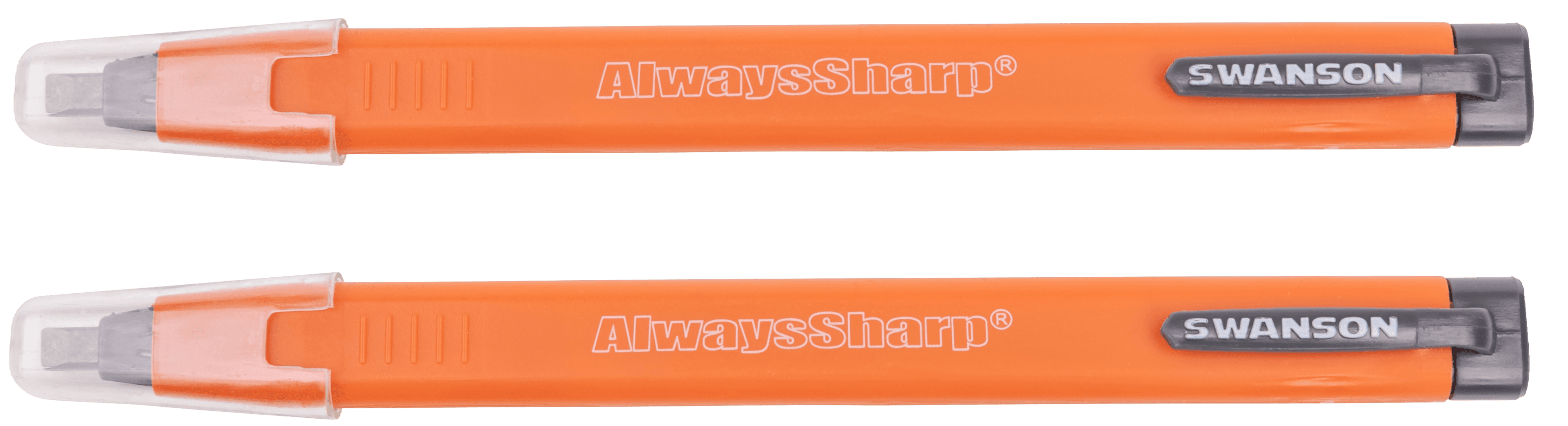
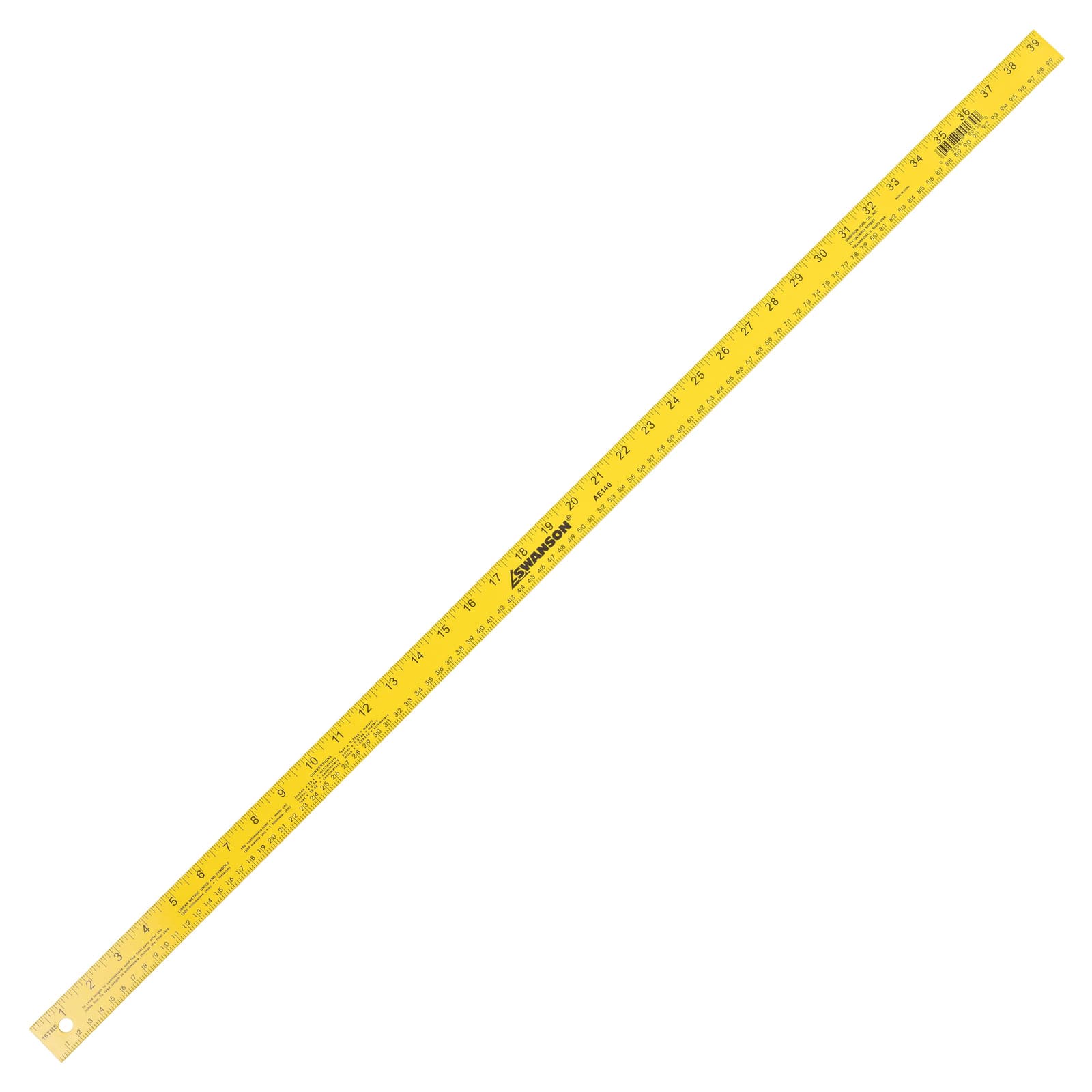
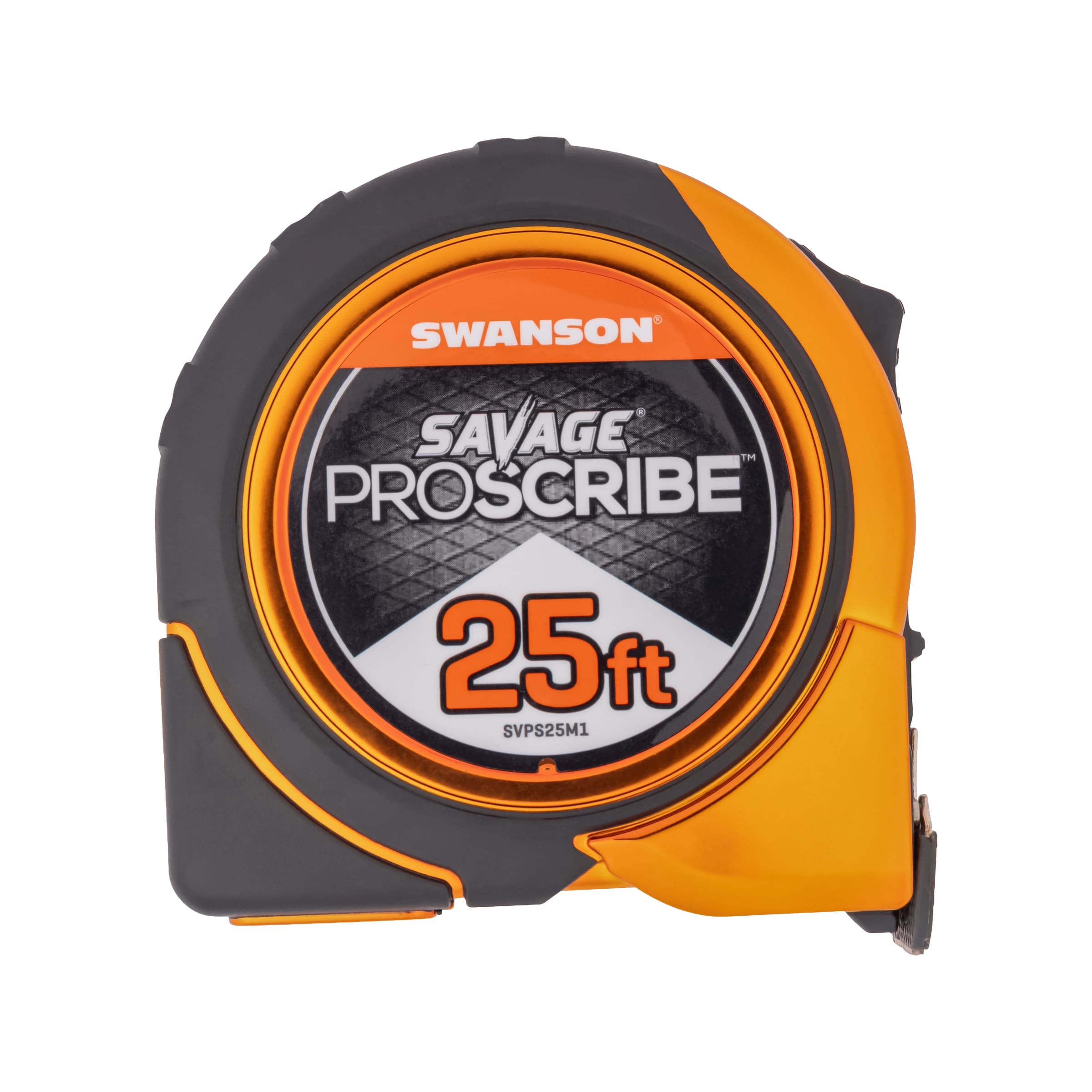
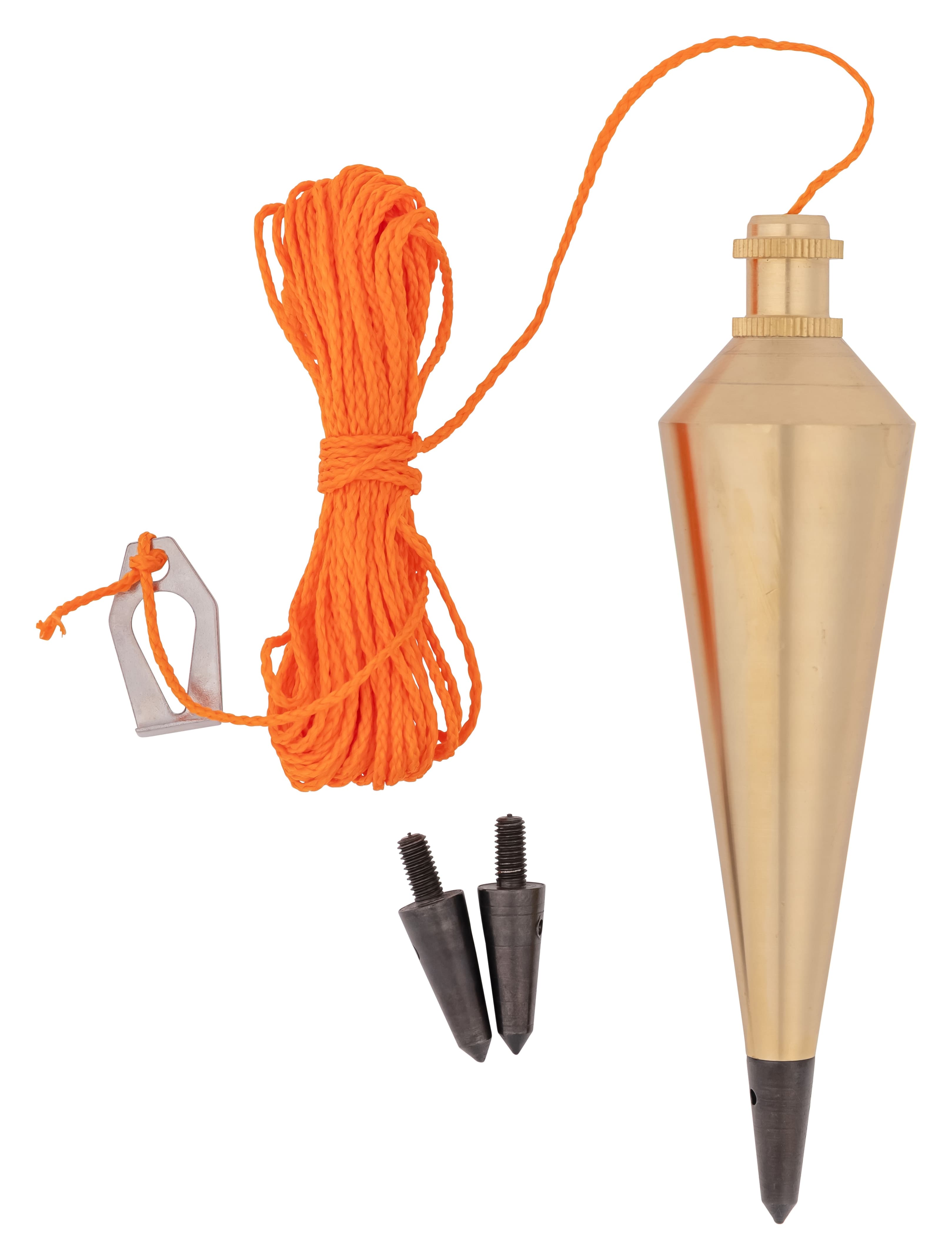
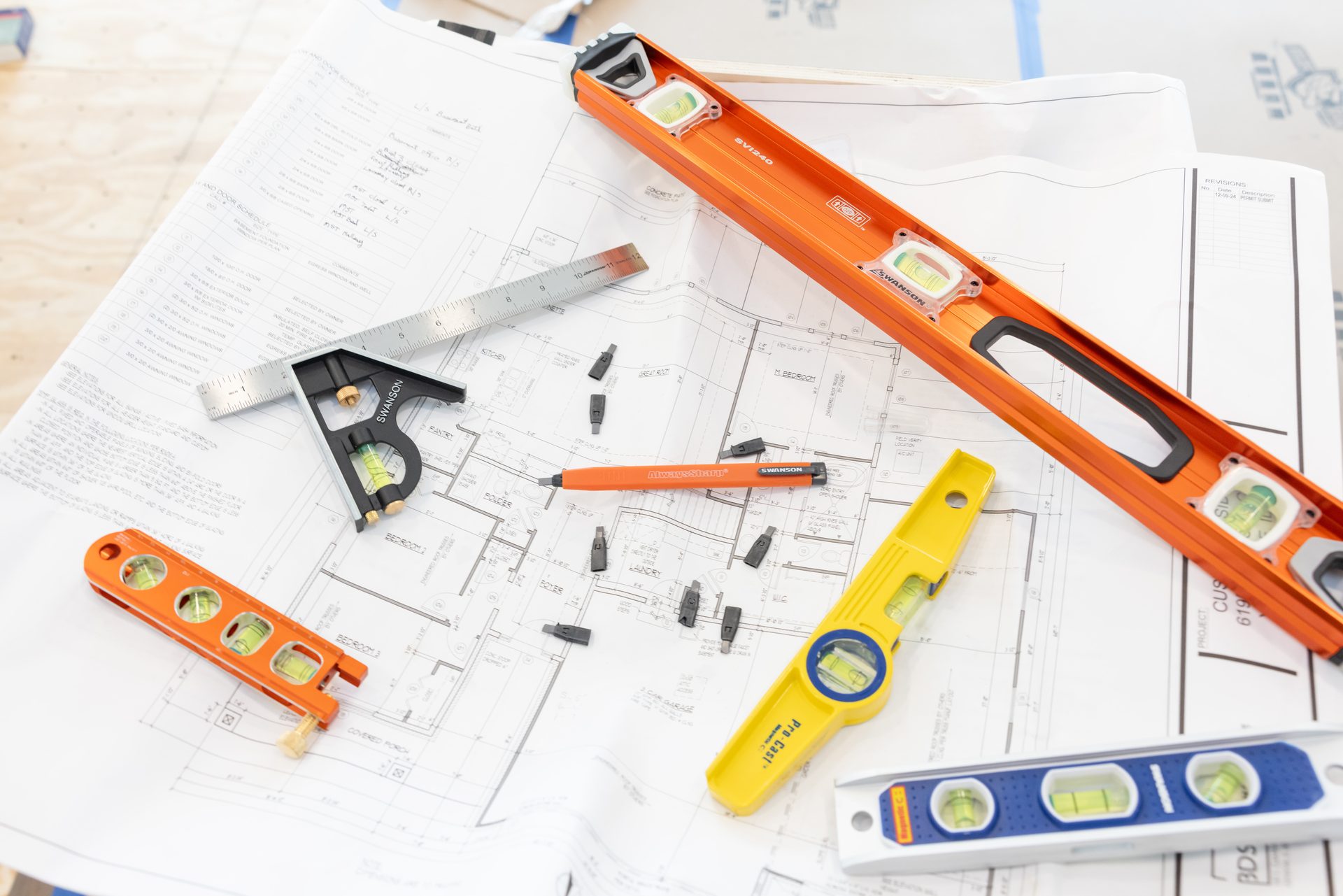
Swanson adds a full marking line, the AlwaysSharp® pencil, plumb bobs, chalk lines, and lumber crayons, so the Speed® Square user’s whole layout kit can ship from one factory in the USA.
2026
Jim and Craig lead the company today as President and Vice President. Thousands of Speed® Squares are produced every day right here in the USA.
How We Live Our Mission
We hold ourselves to the standard Albert set in 1925.
Every project starts with listening. Carpenters, framers, and finish pros have driven our innovation for 100 years.
Each tool is built to meet or exceed the exact demands of the job it’s made for. No feature without a reason.
Heavy-gauge aluminum alloy, hardened stainless, brass hardware. Materials picked so the tool finishes the job it was bought for, then the next one.
Every Speed® Square is CNC machined, packaged, and shipped in Frankfort, Illinois. The reference the trade asks for by name comes off that line.
Browse the catalog, or pick up the original Speed® Square from your local retailer.